Author: Nation Pulse 24

  • Over 100 Meritorious Students Honoured at Grand Award Ceremony in Saharanpur

    Over 100 Meritorious Students Honoured at Grand Award Ceremony in Saharanpur

    Over 100 Meritorious Students Honoured at Grand Award Ceremony in Saharanpur

    Saharanpur, Uttar Pradesh: In a grand ceremony organized by the National Educational & Welfare Society, more than 100 meritorious High School and Intermediate toppers from across Saharanpur district were felicitated with trophies and certificates for their outstanding academic achievements.
    The event brought together several distinguished personalities from the fields of education, social service, and politics, who applauded the students’ hard work and encouraged them to continue striving for excellence.
    The programme was presided over by Advocate Amjad Ali Khan, Convener of the Association for Educational Institutions of India.
    The Chief Guests included Mrs. Ruhi Anjum, State Secretary of the Samajwadi Party, and Mrs. Sushma Bajaj, a senior social worker.
    Among the prominent guests were Mrs. Anu Bajaj, Dr. Furman Ahmad, Khemchand Saini, Yogesh Sharma, Dhananjay Sharma, Virendra Pawar, Mustaqeem Ansari, and Gagandeep.
    The event was jointly hosted by Asjad Khan, President of the National Educational & Welfare Society, and Mohammad Imran, City Convener. The vote of thanks was delivered by Shabbar Khan, Vice President of the Society.
    Addressing the gathering, Advocate Amjad Ali Khan described education as the strongest instrument for social progress and emphasized the need to provide deserving students with guidance and opportunities.
    Mrs. Ruhi Anjum praised the dedication of the students and said that such recognition programmes inspire young minds to dream bigger and work harder.
    Mrs. Sushma Bajaj highlighted the crucial role of teachers and parents in shaping successful students and stressed that education combined with good values builds responsible citizens.
    Other speakers also appreciated the Society’s initiative, stating that honouring talented students boosts their confidence and motivates them to achieve greater success.
    The programme also witnessed the active participation of school managers, educationists, and members of the organizing committee, whose collective efforts made the event a grand success.

  • AIMIM Appoints Khurshid Ahmad Siddiqui as Dehradun District In-Charge, Entrusts Him with Organisational Expansion

    AIMIM Appoints Khurshid Ahmad Siddiqui as Dehradun District In-Charge, Entrusts Him with Organisational Expansion

    AIMIM Appoints Khurshid Ahmad Siddiqui as Dehradun District In-Charge, Entrusts Him with Organisational ExpansionAIMIM Appoints Khurshid Ahmad Siddiqui as Dehradun District In-Charge, Entrusts Him with Organisational Expansion

    State President Dr. Nayyar Kazmi says the appointment will strengthen the party at the grassroots level across Dehradun.


    Dehradun | Nation Pulse 24

    The All India Majlis-e-Ittehadul Muslimeen (AIMIM) has taken another significant step towards strengthening its organisational structure in Uttarakhand by appointing social worker Khurshid Ahmad Siddiqui as the District In-Charge of Dehradun. The appointment was announced by AIMIM Uttarakhand State President Dr. Nayyar Kazmi.

    While handing over the appointment letter, Dr. Kazmi said that Siddiqui has been entrusted with the responsibility of expanding the party at the grassroots level, enrolling new members, and effectively raising issues concerning public welfare. He expressed confidence that Siddiqui’s experience, social involvement, and strong public connect would contribute significantly to strengthening AIMIM’s presence in Dehradun.

    Expressing his gratitude to the party leadership, newly appointed District In-Charge Khurshid Ahmad Siddiqui thanked AIMIM for reposing faith in him. He said he would work with complete honesty and dedication to promote the party’s ideology and policies among the people.

    Siddiqui further stated that his priorities would include expanding the organisation, encouraging greater youth participation, addressing public grievances, and making AIMIM more active across Dehradun. He added that establishing dialogue with people from all sections of society and raising issues of public interest would remain at the core of his responsibilities.

    Party workers welcomed Siddiqui’s appointment and expressed optimism that under his leadership, AIMIM’s organisational network in Dehradun would become stronger and more effective.

  • Dehradun City Qazi Mufti Hashim Ahmad Qasmi & Former BJP Councillor Aftab Alam Lead Delegation to DM Over Mosque Loudspeaker Permission Issue

    Dehradun City Qazi Mufti Hashim Ahmad Qasmi & Former BJP Councillor Aftab Alam Lead Delegation to DM Over Mosque Loudspeaker Permission Issue

    Dehradun City Qazi Mufti Hashim Ahmad Qasmi & Former BJP Councillor Aftab Alam Lead Delegation to DM Over Mosque Loudspeaker Permission Issue

    Memorandum seeks early decision on pending applications since 2022; calls for lawful, transparent and equal enforcement of noise pollution regulations across all religious places

    Dehradun | Nation Pulse 24
    A delegation led jointly by Dehradun City Qazi Mufti Hashim Ahmad Qasmi and former BJP Councillor Aftab Alam met Dehradun District Magistrate Dr. Ashish Chauhan on Saturday to discuss issues concerning loudspeakers used for the call to prayer (Azan) at mosques.
    During the meeting, the delegation submitted a detailed memorandum requesting that any administrative action relating to loudspeakers be carried out strictly in accordance with the law and established legal procedures. The delegation also urged the administration to ensure that mosque management committees or the City Qazi’s office are formally informed before any action is taken so that compliance with prescribed norms can be ensured within the stipulated time.
    The memorandum further requested that the provisions of the Noise Pollution (Regulation and Control) Rules, 2000 be implemented uniformly across all religious institutions, without discrimination.
    According to the memorandum, more than 20 mosques in Dehradun had submitted applications in 2022 seeking permission for loudspeaker use in compliance with the directions of the Supreme Court of India, the Uttarakhand High Court, and the State Government. However, despite nearly three years having passed, the applications remain pending, with neither approval nor rejection communicated by the district administration.
    The delegation stated that recent police action against loudspeakers at certain mosques was reportedly based on the absence of official permission, even though the concerned mosque committees had already applied within the prescribed time. It argued that administrative action before deciding pending applications is inconsistent with the principles of natural justice, due process, and good governance.

    The memorandum requested the District Magistrate to:
    Decide all pending loudspeaker permission applications submitted since 2022 at the earliest.
    Grant permission to eligible mosques in accordance with the applicable rules and prescribed standards.
    Inform mosque management committees if any documents or formalities remain incomplete and provide them an opportunity to comply.
    Refrain from removing loudspeakers from mosques without following due legal procedure until pending applications are decided.
    Establish a transparent, time-bound, and fair permission mechanism to prevent similar situations in the future.
    The delegation also assured the administration that all mosque management committees would fully comply with the Noise Pollution (Regulation and Control) Rules, 2000, court directions, and all conditions prescribed by the district administration while continuing to cooperate in maintaining public peace, law and order, and communal harmony.
    Among those present were social activist Khurshid Ahmad, Latafat Hussain, President of Tanzeem Rahnuma-e-Millat, Ameer Ahmad Qureshi, Secretary of Jama Masjid Paltan Bazaar, Haji Dilshad Qureshi, Master Mustaqeem Hasan, Tauseef Khan, Mufti Tahir Qasmi, Israr Ahmad, and several other community representatives.
    Notably, this is regarded as the first major public initiative undertaken by City Qazi Mufti Hashim Ahmad Qasmi after assuming office.

  • Uttarakhand Muslims Send a Clear Political Message: Our Vote Will No Longer Be About Defeating Someone, But About Securing Our Future

    Uttarakhand Muslims Send a Clear Political Message: Our Vote Will No Longer Be About Defeating Someone, But About Securing Our Future

    Uttarakhand Muslims Send a Clear Political Message: Our Vote Will No Longer Be About Defeating Someone, But About Securing Our Future

    Uttarakhand Assembly Elections 2027: The vote should now be based on education, employment, development, constitutional values and a concrete agenda — not fear, emotions or negative politics

    Dr. J. Usmani

    Nation Pulse 24

                  As Uttarakhand moves towards the 2027 Assembly elections, the political ground is gradually beginning to heat up. The BJP, Congress and other political parties will soon sharpen their electoral strategies, select candidates and work out their political and social equations.
    But this time, political parties in Uttarakhand need to understand one thing clearly:

    The parameters of Muslim voting politics must change.

    The vote should no longer be cast merely to defeat someone.

    It should not be driven by fear.

    It should not be dictated by emotions.

    The vote must be for the future of our children, better education, employment opportunities for the youth, economic progress, constitutional rights and the overall development of Uttarakhand and India.

    The message for 2027 is clear: the vote must be based on programmes and performance, not fear and negative politics.

    Don’t Tell Us Whom to Fear — Tell Us What You Will Do

    For years, particularly during elections, Muslim voters have often been told about the dangers they may face if a particular political party comes to power.

    But the question must now change.

    Don’t just tell us whom we should fear. Tell us what you will do if you come to power.

    What is your programme for improving the education of our children?

    What is your roadmap for creating employment opportunities for our youth?

    What will you do to support small businesses, artisans and self-employed young people?

    How will you improve schools, colleges, hospitals, roads and basic infrastructure in backward and neglected areas, including Muslim-majority localities?

    How will you ensure that the benefits of government welfare schemes reach every deserving citizen without religious discrimination?

    And most importantly, will you openly stand for the equality, dignity, security and constitutional rights of every citizen?

    In 2027, political choices should be determined by the answers to these questions.

    If You Want Our Vote, Show Us Your Development Roadmap

    Muslim voters have a significant electoral presence in several constituencies across Uttarakhand’s plains, particularly in districts such as Haridwar, Dehradun, Udham Singh Nagar and Nainital.

    Therefore, every political party seeking Muslim votes — including the Congress — must understand that remembering the community only during elections will no longer be enough.

    A legitimate question must be asked:

    If our votes contribute to your political victories, where is our meaningful participation in your organisation, leadership and decision-making process?

    If Muslim political workers spend years strengthening a party, why should their role remain limited to mobilising crowds, raising slogans, putting up posters and doing groundwork during elections?

    Muslims are equal citizens of Uttarakhand. Their political participation cannot be viewed only through institutions dealing specifically with minority affairs.

    They are equally concerned with education, healthcare, industry, business, infrastructure and the overall development of the state.

    If political parties want votes, they must also offer representation, respect and a credible development agenda.

    Being a Muslim Candidate Alone Will Not Be Enough

    This message is not only for political parties. It is equally important for Muslim political leaders.

    In 2027, merely being a Muslim candidate should not automatically guarantee political support.

    A Muslim candidate must face the same questions as any other candidate.…

  • Muslim Patriots Who Helped Shape India: Remembering the Freedom Fighters and Soldiers Who Served the Nation

    Muslim Patriots Who Helped Shape India: Remembering the Freedom Fighters and Soldiers Who Served the Nation

    Muslim Patriots Who Helped Shape India: Remembering the Freedom Fighters and Soldiers Who Served the Nation

    By Nation Pulse Desk

    India: India’s freedom was won through the sacrifices of countless men and women belonging to different religions, regions, and communities. Muslim freedom fighters, revolutionaries, political leaders, and soldiers played an important role in the struggle against British colonial rule and later in defending independent India. Historians widely acknowledge that India’s independence was the result of a united national movement rather than the efforts of any single community.

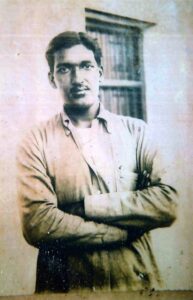
    Among the most revered names is Ashfaqulla Khan, who was executed by the British on December 19, 1927, for his role in the Kakori Conspiracy. His friendship with Ram Prasad Bismil and his sacrifice remain enduring symbols of national unity and patriotism.

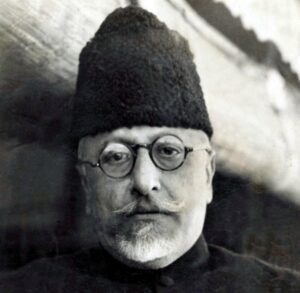
    Another towering figure was Maulana Abul Kalam Azad, one of the foremost leaders of the Indian National Congress and independent India’s first Education Minister. Begum Hazrat Mahal emerged as one of the leading faces of the Revolt of 1857, while Bakht Khan commanded rebel forces in Delhi against the British during the same uprising.

    The freedom movement was further strengthened by the contributions of Dr. Mukhtar Ahmed Ansari, Hakim Ajmal Khan, Rafi Ahmed Kidwai, Asaf Ali, Yusuf Meherally, Maulana Mohammad Ali Jauhar, Maulana Shaukat Ali, Hasrat Mohani, Badruddin Tyabji, Syed Hasan Imam, and Khan Abdul Ghaffar Khan. These leaders organized movements, inspired public participation, endured imprisonment, promoted national unity, and played key roles in India’s struggle for self-rule.

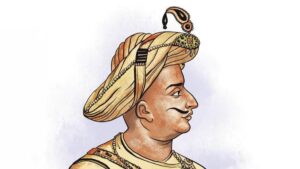
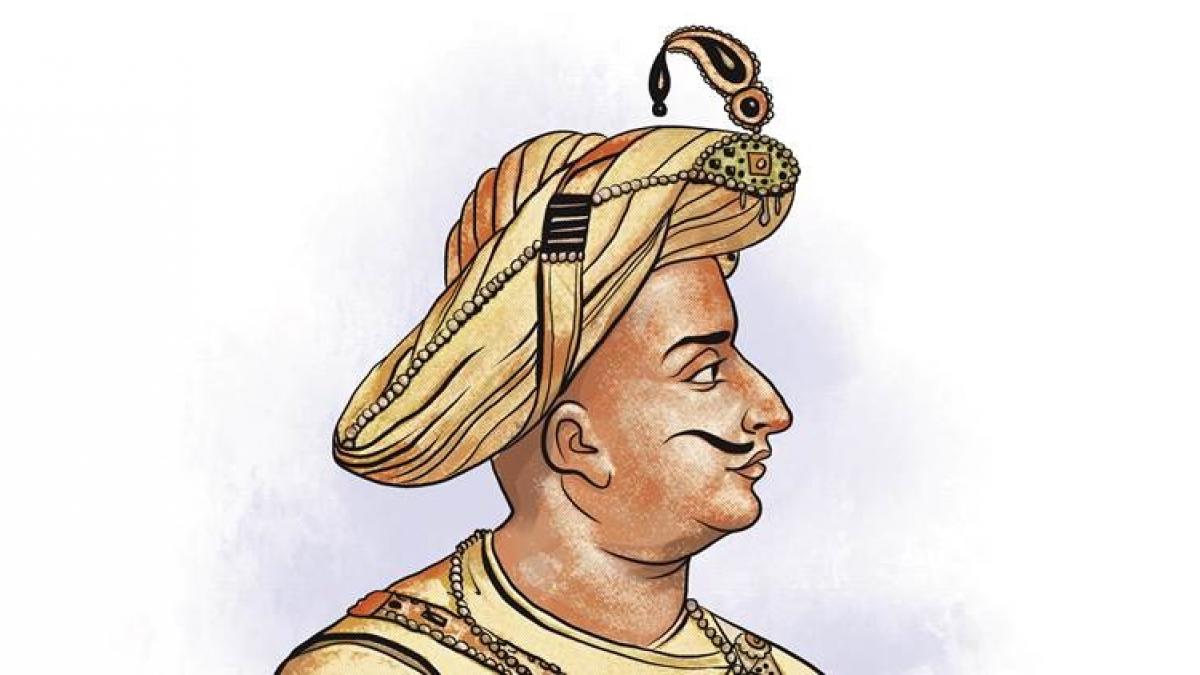
    Many historians also regard Tipu Sultan as an important early symbol of resistance against British expansion in India. Although he lived before the organized national freedom movement of 1857–1947, his military resistance against the British East India Company continues to be remembered as a significant chapter in India’s anti-colonial history.

    After independence, Muslim soldiers continued to serve the nation with distinction. Company Quartermaster Havildar Abdul Hamid displayed extraordinary courage during the 1965 India–Pakistan War, destroying several enemy tanks before making the supreme sacrifice. He was posthumously awarded the Param Vir Chakra, India’s highest wartime gallantry award. Brigadier Mohammad Usman, remembered as the “Lion of Naushera,” laid down his life during the 1947–48 India–Pakistan War while defending Jammu and Kashmir. Their bravery remains a proud chapter in the history of the Indian Armed Forces.

    While some of these personalities were martyred in battle or executed during the freedom struggle, others devoted their lives to India’s independence through political leadership, mass movements, legal advocacy, education, and social reform. Together, their contributions demonstrate that the story of India’s freedom and nation-building was written through the collective efforts of people from every faith and background.

    As the nation continues to honour its heroes, historians emphasize that remembering the contributions of all freedom fighters—regardless of religion—helps preserve the inclusive spirit that shaped modern India.

  • Dehradun City Qazi Raises Objection Over Alleged Removal of Mosque Loudspeakers Without Written Notice

    Dehradun City Qazi Raises Objection Over Alleged Removal of Mosque Loudspeakers Without Written Notice

    Dehradun City Qazi Raises Objection Over Alleged Removal of Mosque Loudspeakers Without Written Notic

    Letter sent to District Magistrate and SSP seeks due legal process; says Muslim community respects Supreme Court orders and noise pollution norms

    Report: Amaanullah Usmani 

    Dehradun | Nation Pulse 24

    Dehradun City Qazi Mufti Hashim Ahmad Qasmi has written to the District Magistrate (DM) and Senior Superintendent of Police (SSP) after receiving reports that loudspeakers used for the Azaan at some mosques were allegedly ordered to be removed without any written notice. According to the letter, oral instructions were reportedly issued in the name of Supreme Court directions, and in some places loudspeakers had already been removed.

    In his communication, the City Qazi stated that if any administrative action is required, it should be carried out strictly in accordance with the law and the established legal procedure.

    The letter further states that mosques across Dehradun and the rest of Uttarakhand generally use loudspeakers for the Azaan for only 10 to 15 minutes in a 24-hour period. It also claims that sound levels are maintained within the limits prescribed by the Uttarakhand Government’s notification dated June 9, 2021, relating to environmental and noise pollution standards.

    Mufti Qasmi said that whenever any complaint is received regarding excessive sound levels, the concerned Imam and mosque management committee are immediately instructed to ensure compliance with the prescribed limits.

    He also requested that any complaint regarding noise pollution should first be formally communicated to the concerned mosque management committee or the City Qazi’s office so that corrective action can be taken without delay. He added that noise pollution laws should be enforced equally at all religious places and strictly through due legal process.

    The City Qazi emphasized that the Muslim community fully respects the Constitution of India, the Supreme Court’s orders, existing noise pollution laws, and all directions issued by the Uttarakhand Government. He said the purpose of the letter is to maintain coordination with the administration, ensure lawful action, and preserve communal harmony.

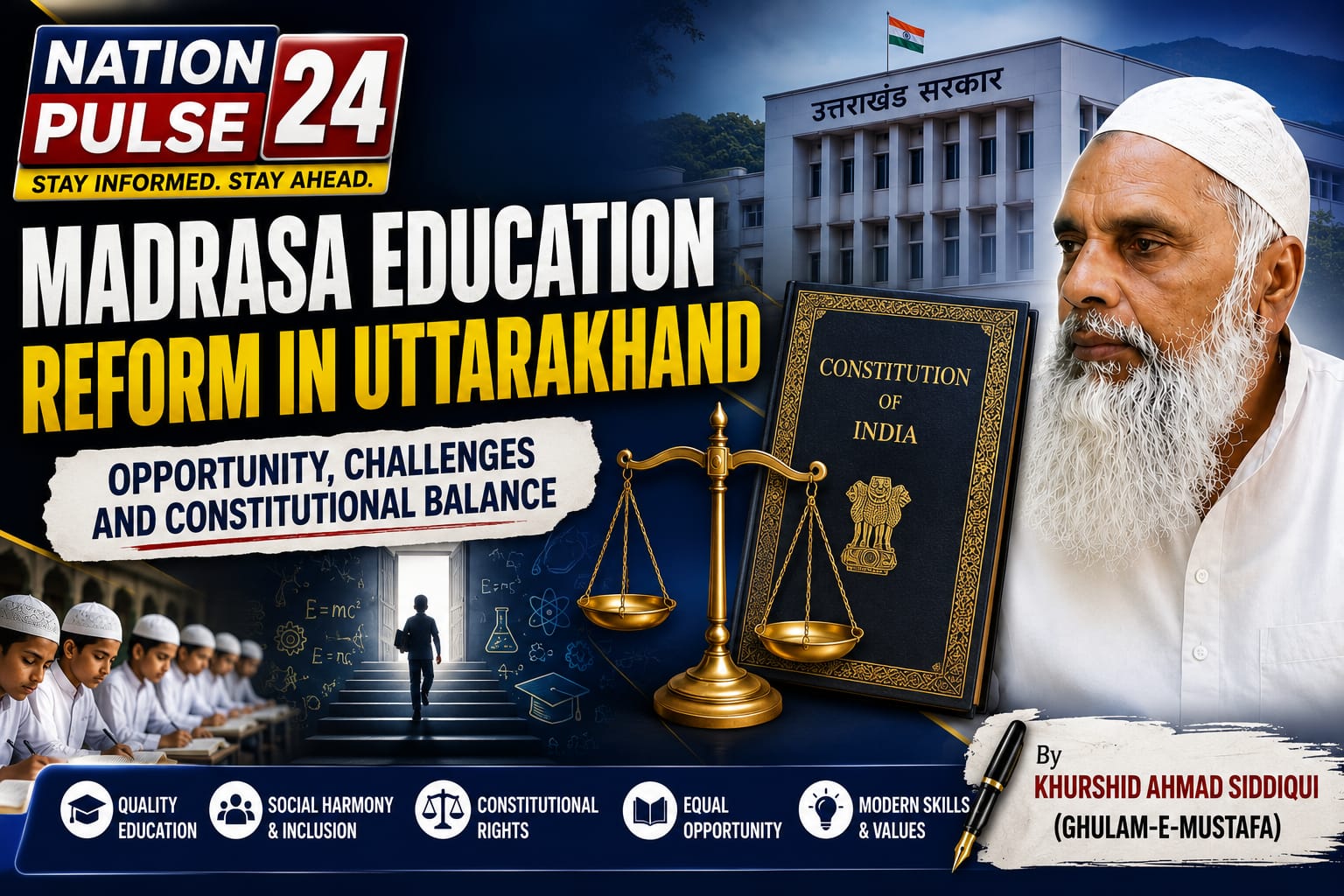
  • Uttarakhand’s Madrasa Education Reform: A Step Forward or a Constitutional Challenge?

    Uttarakhand’s Madrasa Education Reform: A Step Forward or a Constitutional Challenge?

    Uttarakhand’s Madrasa Education Reform: A Step Forward or a Constitutional Challenge?

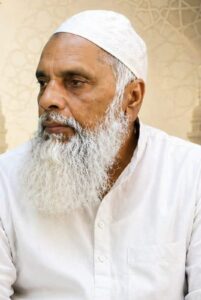
    Khurshid Ahmad Siddiqui (Ghulam-e-Mustafa)

                  The Uttarakhand government’s initiative to activate the State Minority Education Authority has sparked an important debate across the education sector. According to the government, the move aims to improve the quality of education in minority institutions, particularly madrasas, by introducing modern, skill-based, and employment-oriented learning alongside religious education.

    The vision is ambitious: to ensure that madrasa students have opportunities to become doctors, engineers, scientists, teachers, civil servants, and responsible citizens while preserving their religious identity.

    There is little disagreement that modern education—including science, mathematics, computer literacy, and vocational skills—is essential in today’s world. If these subjects are effectively integrated into madrasa education, students will undoubtedly gain broader career opportunities.

    However, the real challenge lies in implementation. Educational reform requires qualified teachers, updated curricula, technological infrastructure, and sustainable financial support. Most madrasas are primarily funded through community donations intended for religious education rather than mainstream schooling. Without adequate financial assistance, questions remain about how institutions will recruit qualified teachers and deliver high-quality modern education.

    Another important concern is whether the state’s broader education system should receive equal attention. Many government schools in Uttarakhand continue to struggle with teacher shortages, inadequate infrastructure, and declining learning outcomes. A comprehensive education policy should address these challenges alongside reforms in minority institutions.

    Education should serve as a bridge that promotes equality, social harmony, and democratic values. Therefore, reforms should be based on dialogue, trust, and participation rather than perceptions of administrative control. If any community feels that its educational or cultural identity is being unnecessarily influenced, it may create distrust instead of cooperation.

    There is also concern about the academic burden on students. If madrasa children are expected to attend regular schools during the day and religious classes before or after school, they could face extremely long study hours, potentially affecting their mental well-being and overall development.

    India’s cultural diversity is one of its greatest strengths. The Constitution guarantees every community the right to preserve its language, culture, and educational traditions while ensuring that all institutions promote scientific temper, constitutional values, national unity, and modern knowledge.

    Articles 29 and 30 of the Indian Constitution provide religious and linguistic minorities with the right to establish and administer educational institutions of their choice. At the same time, the State has the authority to regulate education in the interest of quality, child welfare, and national academic standards. Maintaining a constitutional balance between institutional autonomy and educational reform is therefore essential.

    Ultimately, the most important stakeholders are the students. If reforms provide quality education, equal opportunities, and respect for cultural identity, students can contribute meaningfully to society and nation-building. But if reforms generate uncertainty, identity concerns, or excessive academic pressure, their educational outcomes may suffer Conclusion

    Education reform in Uttarakhand should not be limited to one category of institutions. Government schools, madrasas, and all educational institutions deserve equal access to quality teaching, modern technology, trained educators, and constitutional values.

    The true purpose of education is not to change a community’s identity, but to empower every student according to their potential. Only an inclusive, balanced, and constitutionally guided education policy can prepare future generations to become scholars, professionals, innovators, and responsible citizens.

  • Principal-in-Charge Dr. Afroz Iqbal Springs Into Action, Ushers in a New Work Culture at R.D.K. Government College

    Principal-in-Charge Dr. Afroz Iqbal Springs Into Action, Ushers in a New Work Culture at R.D.K. Government College

    Principal-in-Charge Dr. Afroz Iqbal Springs Into Action, Ushers in a New Work Culture at R.D.K. Government College

    Khanpur (Haridwar), July 13: With the commencement of the new academic session following the summer vacation, Rani Dharm Kunwar Government College, Khanpur, has embarked on a fresh journey marked by renewed enthusiasm and a clear roadmap for institutional development. Immediately after assuming charge as Principal-in-Charge, Dr. Afroz Iqbal convened an important meeting with the teaching and non-teaching staff to outline priorities and set a new direction for the college.

    Addressing the gathering, Dr. Iqbal emphasized that the identity of an educational institution is shaped not only by academic results but also by quality education, discipline, innovation, research, student-centric initiatives, and a strong culture of teamwork. He urged all faculty members and staff to work collectively towards transforming the college into a center of academic excellence.

    He stressed the importance of conducting the admission process in a transparent and time-bound manner while ensuring the effective implementation of Rovers-Rangers, Disaster Management, the National Service Scheme (NSS), cultural and sports activities, career counselling, and other academic and co-curricular programmes. He also called for active cooperation from all stakeholders to create a positive learning environment and ensure the holistic development of students.

    Dr. Iqbal stated that every achievement of the institution depends on teamwork, transparency, and accountability. He expressed his commitment to strengthening coordination among all departments and committees to take the college to new heights of excellence.

    The meeting was attended by Dr. Pragya Rajvanshi, Dr. Bhupendra, Dr. Renu Devi, Dr. Nupur Garg, Mr. Sanjay Kumar, Mr. Vivek Upadhyay, Mr. Ashwani, Mr. Manmohan, Mr. Moolchand, Mr. Deepak, and Mr. Ankit. All participants assured their full support for the college’s development, quality education, and student welfare.

    Held on the very first day of the new academic session, the meeting sent a strong message of a positive, proactive, and result-oriented work culture. Faculty and staff expressed confidence that under the leadership of Dr. Afroz Iqbal, the college would achieve new milestones in education, research, innovation, and student development.

  • Major Muslim Leadership Meet in Delhi on July 24 to Discuss UCC and Community Issues

    Major Muslim Leadership Meet in Delhi on July 24 to Discuss UCC and Community Issues

    Major Muslim Leadership Meet in Delhi on July 24 to Discuss UCC and Community Issues

    New Delhi: A significant conference of Muslim political, religious, and social leaders is proposed to be held in New Delhi on July 24 to deliberate on issues concerning Muslims across the country, the Uniform Civil Code (UCC), administrative actions affecting religious institutions, and the prevailing socio-political situation.

    According to available information, the meeting aims to discuss the challenges faced by the Muslim community, strengthen coordination among various organizations, and formulate a common strategy through democratic and legal means.

    Who Is Expected to Attend?

    The proposed conference is expected to bring together Muslim Members of Parliament from different political parties, prominent Islamic scholars, and representatives of major Muslim organizations.

    Among those reportedly invited are senior Congress leader and former Union Minister Salman Khurshid, AIMIM chief Asaduddin Owaisi, MP Mohibbulla Nadvi, along with other Muslim parliamentarians.

    Representatives from Jamiat Ulama-i-Hind, including Maulana Arshad Madani and Maulana Mahmood Madani, as well as Jamaat-e-Islami Hind, Jamaat Ahle Hadees Hind, and the All India Muslim Personal Law Board, are also expected to participate.

    Key Issues on the Agenda

    The discussions are likely to focus on:

    – Administrative action and bulldozer drives involving mosques and madrasas.

    – Incidents of mob lynching and communal violence.

    – Issues related to religious identity and alleged discrimination.

    – Implementation and proposals of the Uniform Civil Code (UCC) in various states.

    – Administrative measures concerning madrasas in Uttarakhand and their impact.

    – Constitutional guarantees of religious freedom, minority rights, and available legal remedies.

    – Developing a coordinated and democratic strategy among participating organizations.

    Focus on a Common Strategy

    Leaders and organizations attending the conference are expected to work toward evolving a shared approach on these issues. Sources indicate that legal, social, and democratic options will be discussed, and a joint resolution or declaration may be issued if a consensus is reached.

    Discussion on ‘Gair-Ta’awun Tehreek’?

    According to sources, one of the important topics may be whether the community should consider a “Gair-Ta’awun Tehreek” (Non-Cooperation Movement), including the possibility of an electoral boycott, if governments are perceived to be failing in ensuring justice. Political and community leaders are expected to deliberate on this issue.

    Official Confirmation Awaited

    Organizers are yet to release the final agenda and confirmed list of participants. Changes in the agenda and attendance remain possible until an official announcement is made.

    The conference is being organized by Indian Muslim for Civil Rights. Given the current socio-political context, the meeting is being viewed as an important platform for discussing issues affecting Muslims nationwide and exploring a coordinated future course of action.

  • Heavy Rain Alert: Schools, Anganwadi Centres Closed Across Dehradun on July 9

    Heavy Rain Alert: Schools, Anganwadi Centres Closed Across Dehradun on July 9

    Heavy Rain Alert: Schools, Anganwadi Centres Closed Across Dehradun on July 9

    Dehradun | Nation Pulse 24

    Amid an active monsoon spell in Uttarakhand, the Dehradun district administration has declared a one-day holiday for all schools and Anganwadi centres on Thursday, July 9, 2026, following an Orange Alert issued by the India Meteorological Department (IMD).

    According to the official order issued by the District Magistrate and the District Disaster Management Authority, the IMD has forecast heavy to very heavy rainfall, thunderstorms, lightning, and intense rain spells at isolated places across Dehradun district on July 9.

    As a precautionary measure to ensure the safety of students and staff, all government, government-aided, and private schools from Classes 1 to 12, along with all Anganwadi centres, will remain closed for the day.

    The District Magistrate has directed the Chief Education Officer and the District Programme Officer to ensure strict compliance with the closure order across all educational institutions and Anganwadi centres in the district.

    The district administration has also appealed to residents to avoid unnecessary travel during adverse weather conditions and to follow all advisories issued by the administration and the India Meteorological Department.

    People have been especially advised to stay away from rivers, streams, and landslide-prone areas, as continuous rainfall may increase the risk of flooding and landslides in vulnerable locations.

    Authorities have urged citizens to remain alert, monitor official weather updates, and cooperate with the administration until weather conditions improve.