




Muslim Patriots Who Helped Shape India: Remembering the Freedom Fighters and Soldiers Who Served the Nation
By Nation Pulse Desk
India: India’s freedom was won through the sacrifices of countless men and women belonging to different religions, regions, and communities. Muslim freedom fighters, revolutionaries, political leaders, and soldiers played an important role in the struggle against British colonial rule and later in defending independent India. Historians widely acknowledge that India’s independence was the result of a united national movement rather than the efforts of any single community.
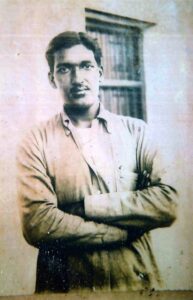
Among the most revered names is Ashfaqulla Khan, who was executed by the British on December 19, 1927, for his role in the Kakori Conspiracy. His friendship with Ram Prasad Bismil and his sacrifice remain enduring symbols of national unity and patriotism.
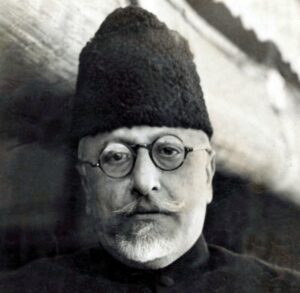
Another towering figure was Maulana Abul Kalam Azad, one of the foremost leaders of the Indian National Congress and independent India’s first Education Minister. Begum Hazrat Mahal emerged as one of the leading faces of the Revolt of 1857, while Bakht Khan commanded rebel forces in Delhi against the British during the same uprising.
The freedom movement was further strengthened by the contributions of Dr. Mukhtar Ahmed Ansari, Hakim Ajmal Khan, Rafi Ahmed Kidwai, Asaf Ali, Yusuf Meherally, Maulana Mohammad Ali Jauhar, Maulana Shaukat Ali, Hasrat Mohani, Badruddin Tyabji, Syed Hasan Imam, and Khan Abdul Ghaffar Khan. These leaders organized movements, inspired public participation, endured imprisonment, promoted national unity, and played key roles in India’s struggle for self-rule.
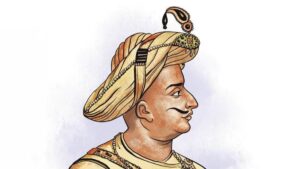
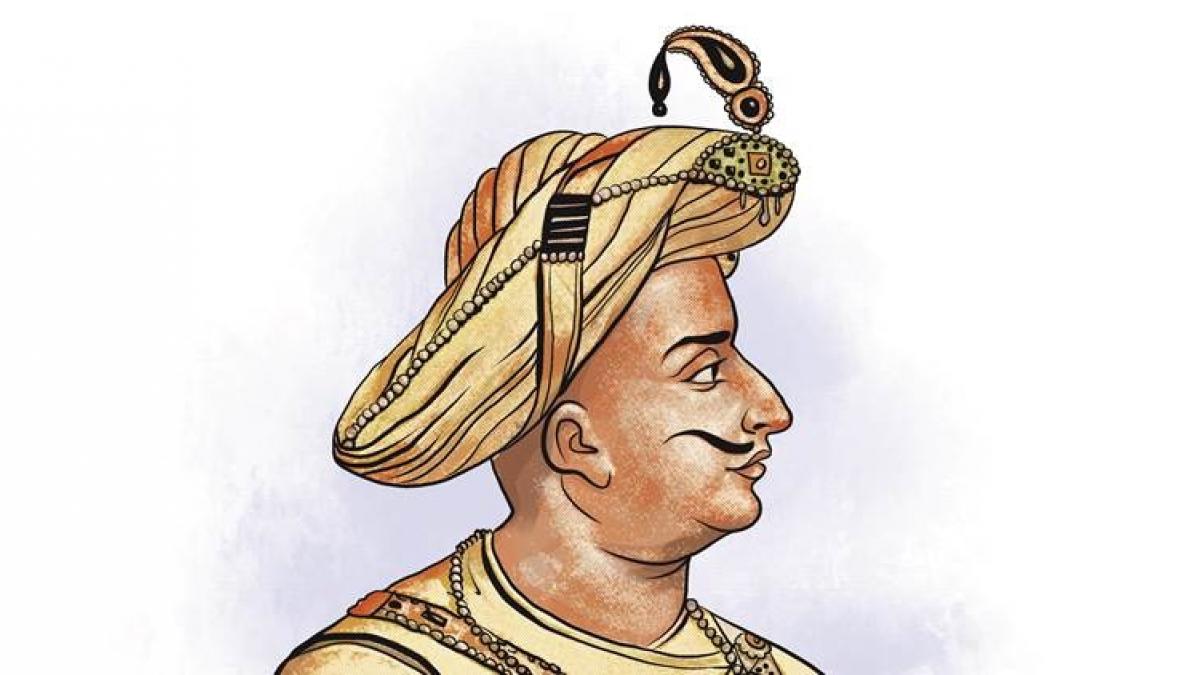
Many historians also regard Tipu Sultan as an important early symbol of resistance against British expansion in India. Although he lived before the organized national freedom movement of 1857–1947, his military resistance against the British East India Company continues to be remembered as a significant chapter in India’s anti-colonial history.
After independence, Muslim soldiers continued to serve the nation with distinction. Company Quartermaster Havildar Abdul Hamid displayed extraordinary courage during the 1965 India–Pakistan War, destroying several enemy tanks before making the supreme sacrifice. He was posthumously awarded the Param Vir Chakra, India’s highest wartime gallantry award. Brigadier Mohammad Usman, remembered as the “Lion of Naushera,” laid down his life during the 1947–48 India–Pakistan War while defending Jammu and Kashmir. Their bravery remains a proud chapter in the history of the Indian Armed Forces.
While some of these personalities were martyred in battle or executed during the freedom struggle, others devoted their lives to India’s independence through political leadership, mass movements, legal advocacy, education, and social reform. Together, their contributions demonstrate that the story of India’s freedom and nation-building was written through the collective efforts of people from every faith and background.
As the nation continues to honour its heroes, historians emphasize that remembering the contributions of all freedom fighters—regardless of religion—helps preserve the inclusive spirit that shaped modern India.